


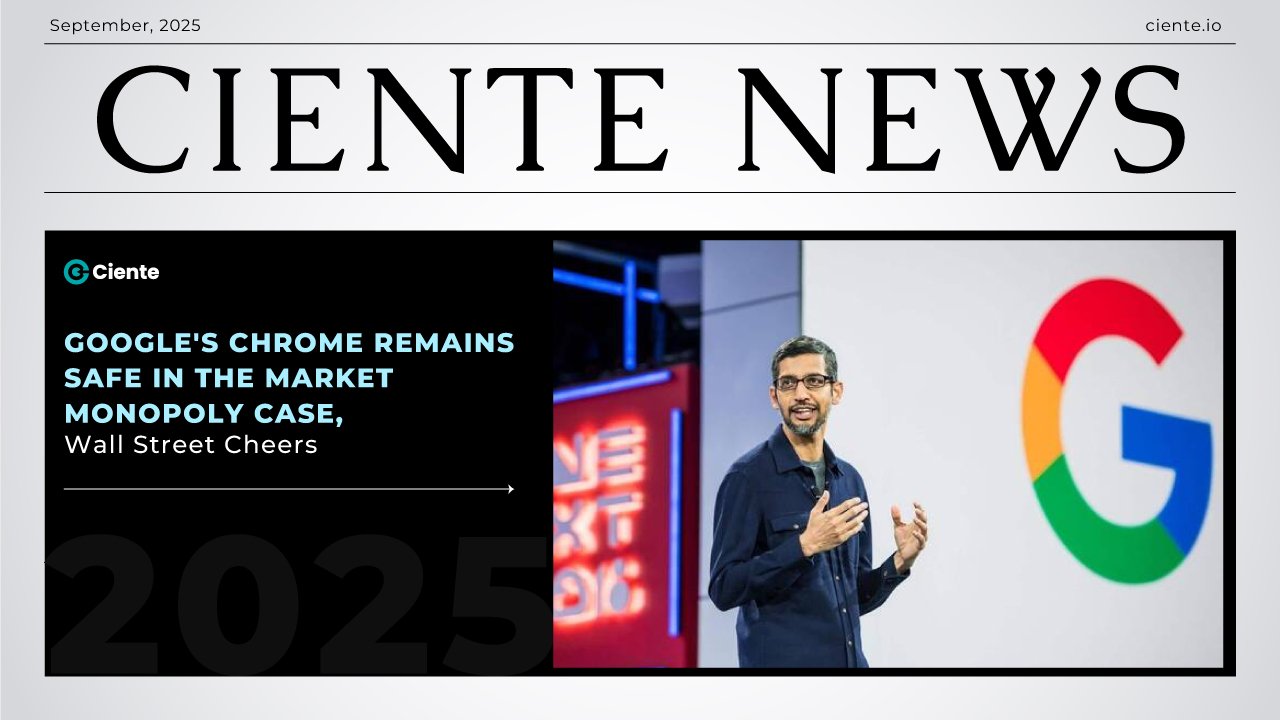
Google’s antitrust case ruling is indicative of the dynamism of the tech ecosystem. What takes precedence in such cases: innovation or historical facts?
In 2023, a judge concluded that Google was indeed a monopolist and had acted like one. There was numerous evidence that the prosecutors showcased in the court, especially how it has spent billions on exclusive deals with device makers and distribution channels.
It was revealed that Google has been maintaining an illegal monopoly in the market, especially in online search and advertising. And accordingly, these lawyers highlighted that the online search market has been suffocated by one major player for decades. This antitrust case was so significant that it required an additional hearing date after the April one.
Additionally, it’ll face another hearing later this year for the AdTech monopoly.
Following the severity of Google’s violations, federal prosecutors then demanded severe penalties. And now that the case has concluded, we can say that it isn’t one that the prosecutors had hoped for.
What the US prosecutors demanded was for the tech powerhouse to sell Chrome and the Android operating system. And bar it from entering the browser market for the next five years.
The actual ruling?
Amit Mehta’s 230-page ruling was a digression from what was sought by the critics. It was relatively lenient compared to the harsh penalties that Google was to face. Primarily, the court has ordered the company to halt any ongoing exclusive deals with device makers and distributors of their products. And second, it was asked to share genuine data with its competitors.
It isn’t enough, the free market echoes. This remedies week was led by Amit Mehta, the same one who had underlined the ruling in 2023.
Meanwhile, tech investors and Wall Street are cheering on. This enthusiasm was reflected in Alphabet’s shares, which have grown over 9% since the ruling. Most believe that Google dominates the market due to the superior quality of its products that users can freely leverage.
Categorically, Apple also witnessed a 4% boost. As the case presented, Google paid billions to make Chrome the default browser across its devices and apps. The deal is basically 15% of the device maker’s operating income.
Market sentiments remain divided- is it a strategic renegotiation or a historic misfire?